

Peptides
Lyophilized Research Peptides — United States
A lyophilized peptide is a freeze-dried solid: the compound in a sealed vial with the water removed, which is what makes it stable at the molar masses these compounds have and why the research literature on them specifies the form. This shelf holds every single peptide and every peptide blend the catalog carries in that form, from the two-residue bioregulator fragments' larger cousins up to the 39-residue incretin analogues.
What distinguishes one entry from the next is structure, and each page publishes it: the amino-acid sequence, the CAS registry number, the molecular formula and the molar mass. A blend page lists each constituent peptide with its own identifiers and its own measured content, because a laboratory reports a blend compound by compound.
The batch code printed on the vial maps to an independent certificate for that lot. Two figures are read from it — HPLC purity, and measured content against the labelled amount — and both are shown on the product card before anything is added to a cart. Supplied strictly for laboratory research, shipped domestically within the United States.
In this category: BPC-157 · TB-500 · Retatrutide · Tirzepatide · Ipamorelin · Semax
46 products

Triple Receptor Agonist Retatrutide is a synthetic peptide developed for controlled laboratory research involving multi-receptor signaling systems. It is structurally designed to interact with GLP-1, GIP, and glucagon receptor pathways within experimental environments.
From$79.99

Dual GLP-1 / GIP Research Peptide Tirzepatide is a synthetic peptide developed for controlled laboratory research involving dual incretin receptor signaling systems. It is structurally designed to interact with GLP-1 and GIP receptor pathways within experimental environments.
From$39.99

GLP-1 Receptor Agonist Research Peptide Semaglutide is a synthetic analogue of glucagon-like peptide-1 (GLP-1), a naturally occurring incretin hormone involved in glucose-dependent signaling. It is developed for controlled laboratory investigation within regulated experimental environments.
From$59.99
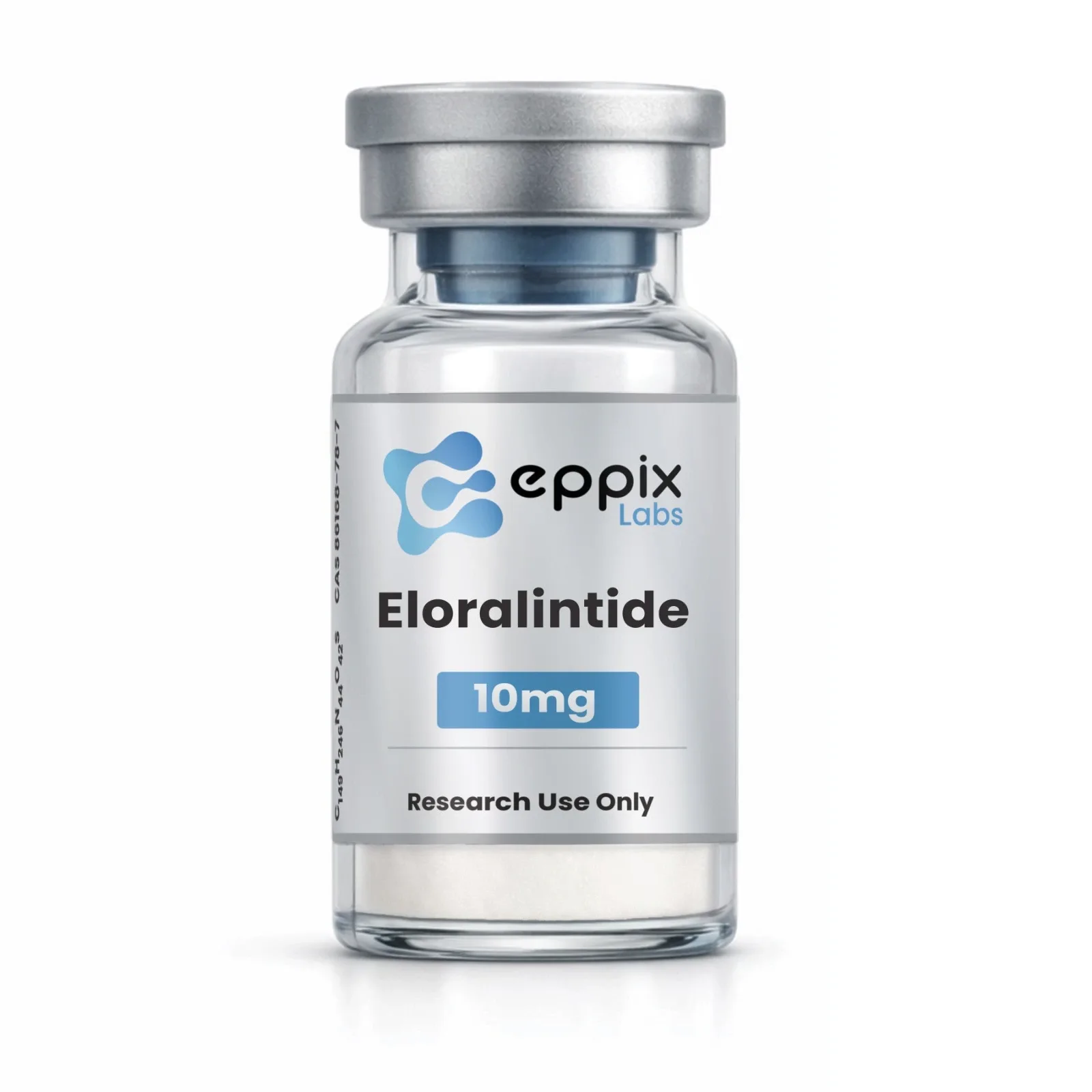
Selective Amylin Receptor Agonist This product is supplied as eloralintide (LY3841136), a long-acting, selective amylin receptor agonist studied in research on metabolic and body-weight regulation.
$0.00

Amylin Receptor Research Peptide Cagrilintide is a synthetic peptide developed for controlled laboratory research involving amylin receptor signaling systems. It is structurally designed to interact with amylin-associated pathways within experimental environments.
From$99.99

Recovery Compound BPC-157 is a synthetic peptide derived from a fragment of a naturally occurring gastric protein. It is produced for laboratory research and studied within controlled experimental environments.
From$49.99

Thymosin Beta-4 Fragment Research Peptide TB-500 is a synthetic research peptide modeled after thymosin beta-4, a naturally occurring peptide involved in cellular signaling processes. It is developed for controlled laboratory investigation within regulated experimental environments.
From$59.99
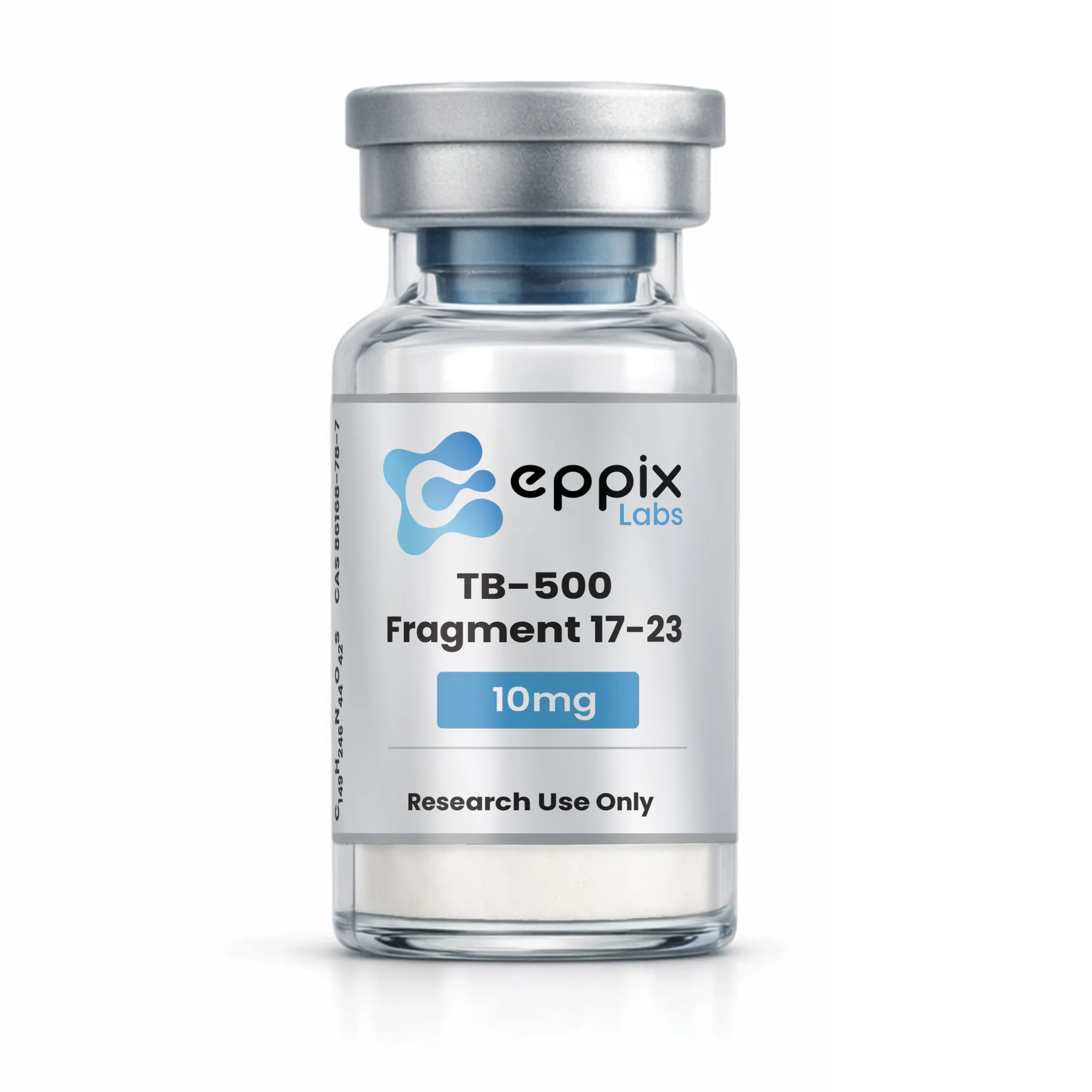
Thymosin Beta-4 Actin-Binding Fragment TB-500 Fragment 17-23 is the seven-residue actin-binding region of thymosin beta-4, studied in research on tissue repair and cell migration.
From$44.99

Tripeptide Research Compound KPV is a synthetic tripeptide composed of lysine–proline–valine and represents a fragment derived from the alpha-melanocyte–stimulating hormone (α-MSH) sequence. It is developed for controlled laboratory research involving peptide-mediated signaling systems.
From$49.99
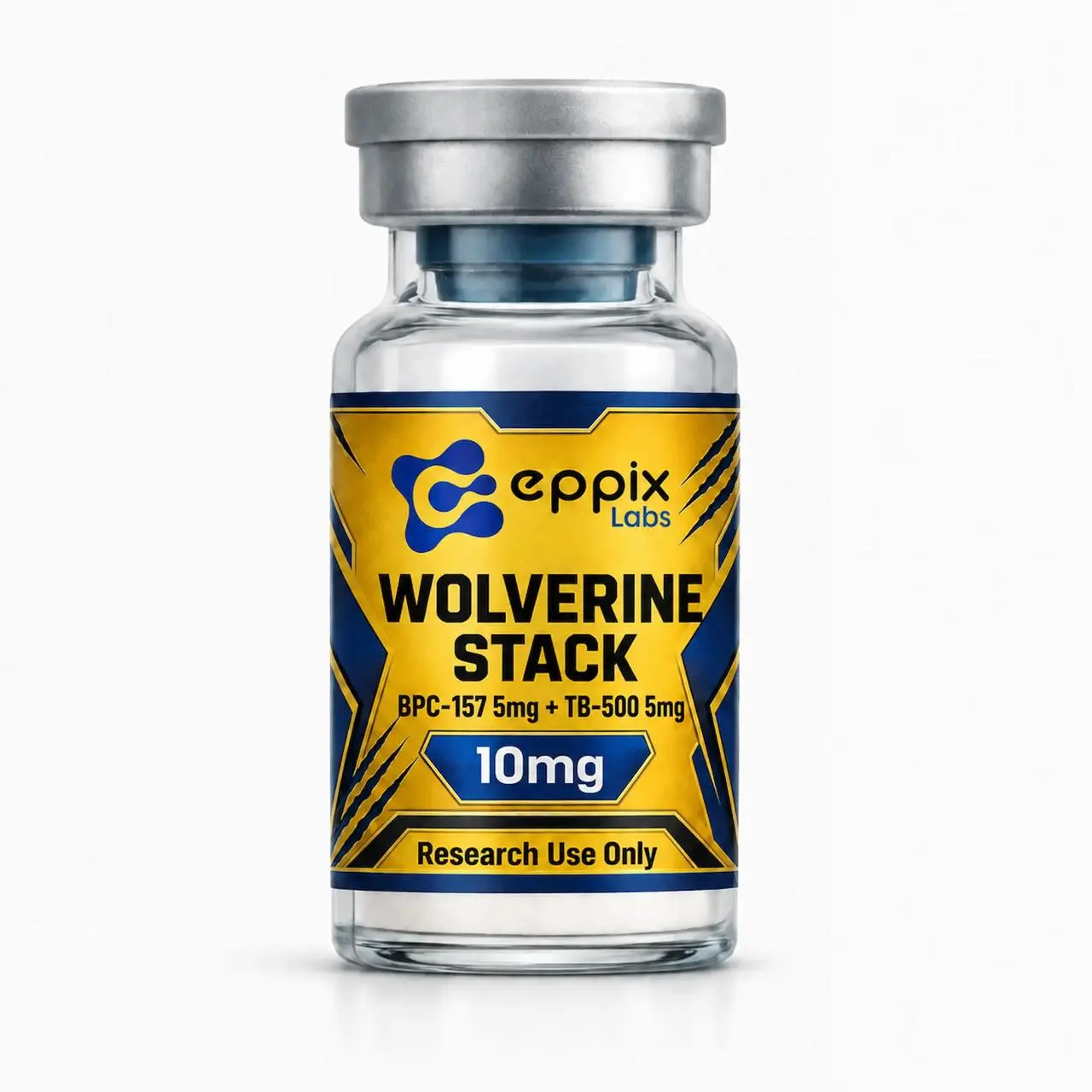
Recovery Compound BPC-157 – TB-500 Blend, also known as the Wolverine Blend, is a dual-peptide research formulation combining BPC-157 and TB-500 in equal concentrations.
From$59.99
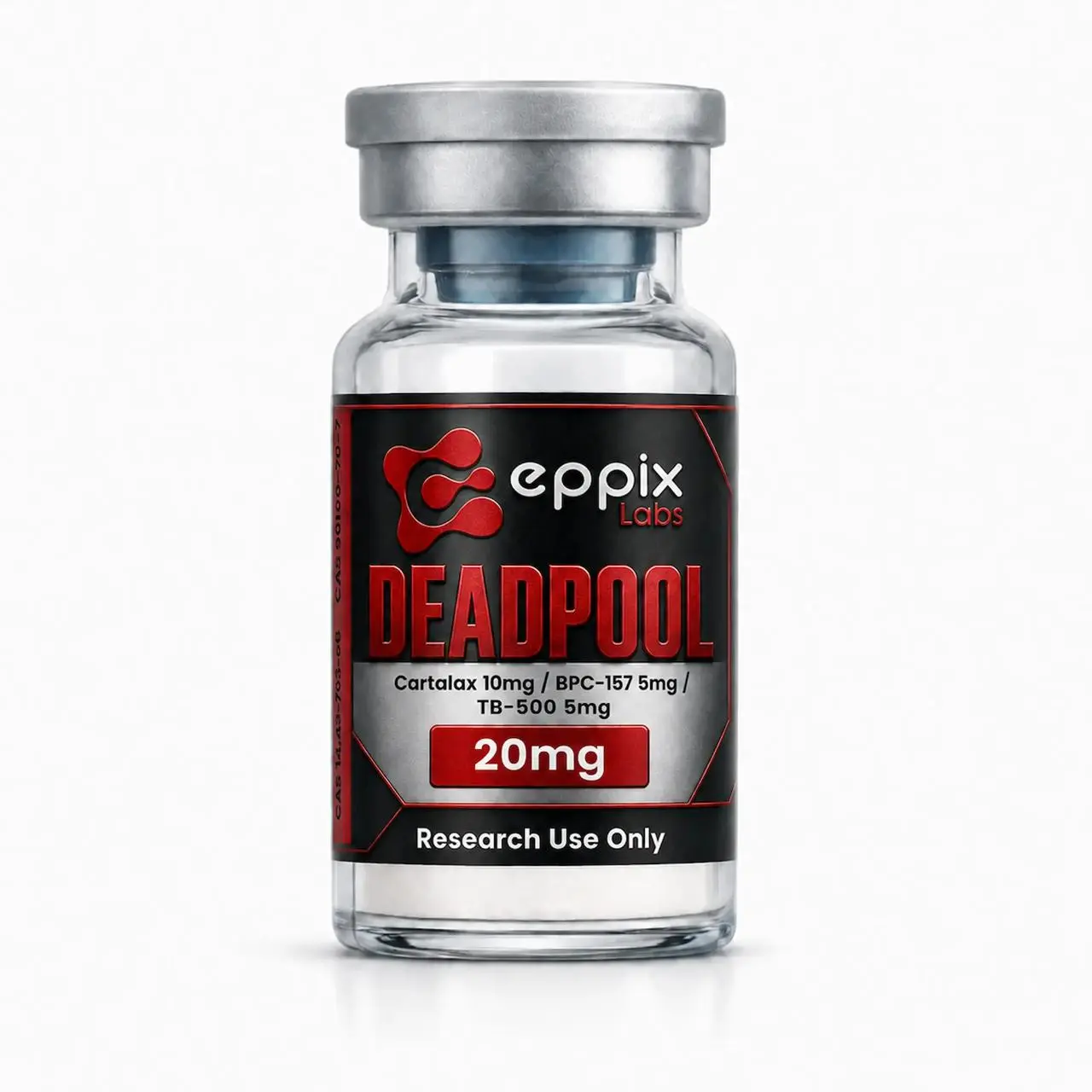
Recovery Blend Wolverine+ is a research blend supplying cartalax, BPC-157, and TB-500 in a single vial.
From$99.99
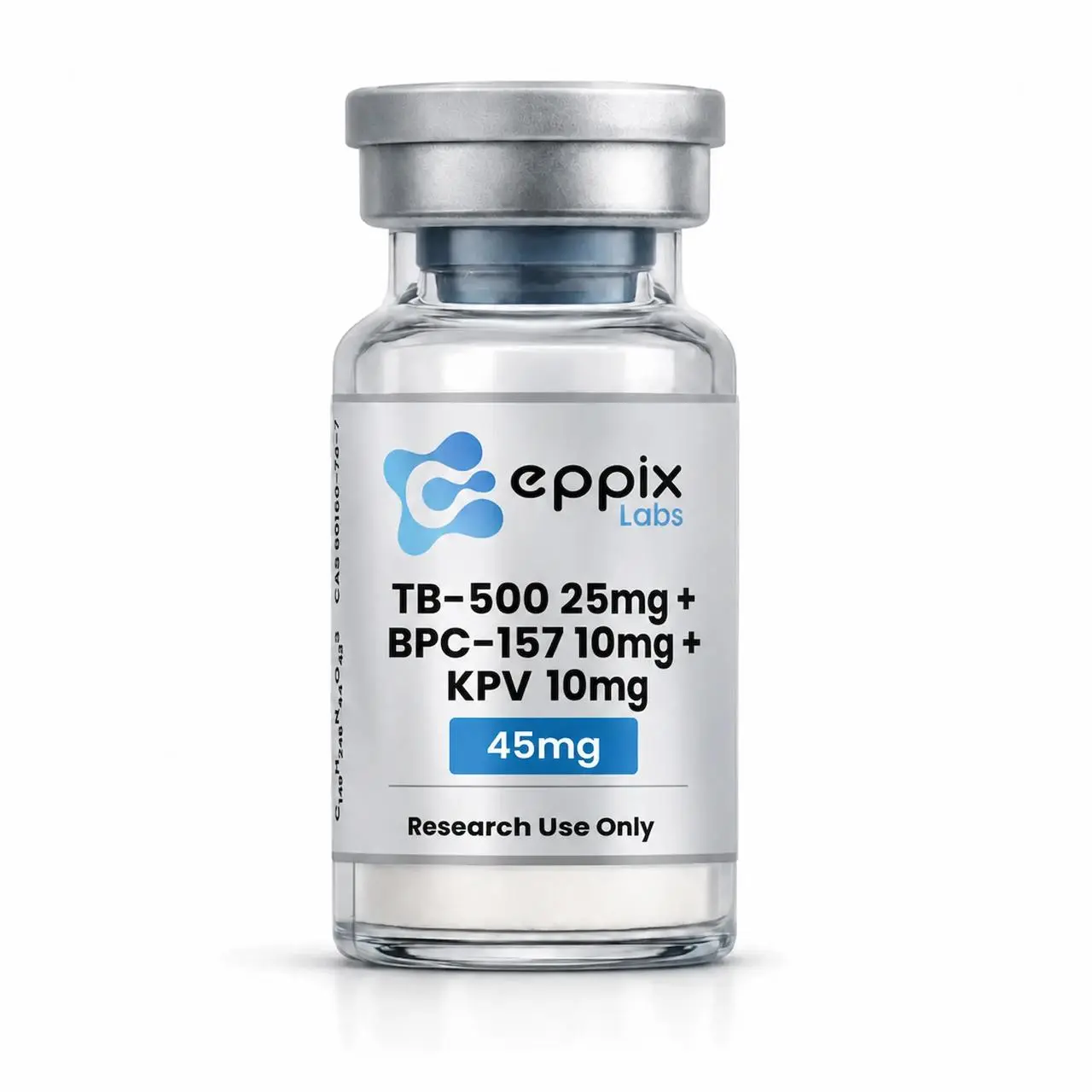
TB-500 / BPC-157 / KPV Recovery Blend Coremend is a research blend combining TB-500 (thymosin beta-4 fragment), BPC-157, and the tripeptide KPV in a single preparation, studied for converging tissue-repair and inflammatory-signaling pathways.
From$220.00
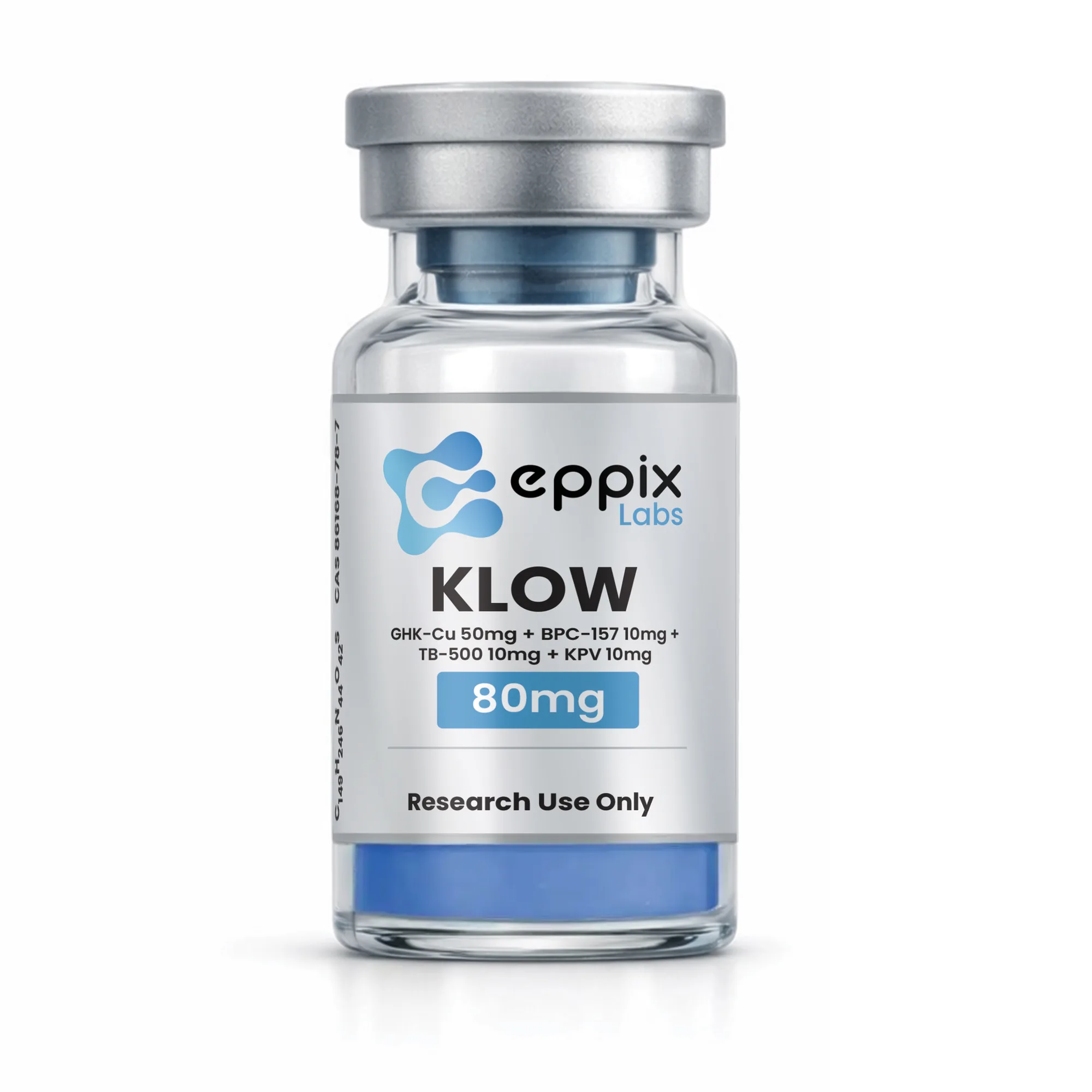
Multi-Peptide Research Blend KLOW is a multi-peptide research blend integrating GHK-Cu, BPC-157, TB-500, and KPV into a unified formulation developed for controlled laboratory investigation.
From$124.99
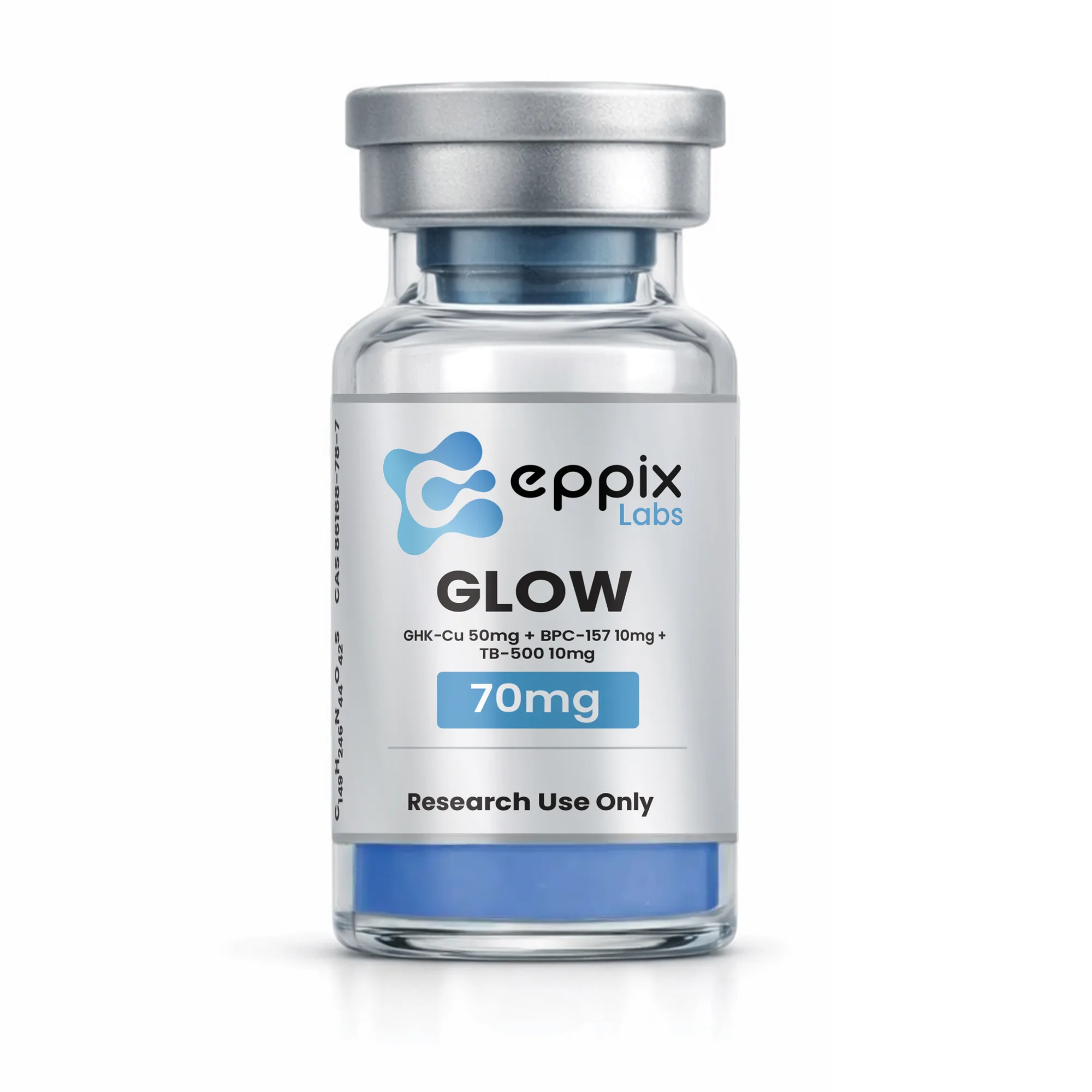
Multi-Peptide Research Blend GLOW is a multi-peptide research blend formulated for controlled laboratory investigation. It integrates GHK-Cu, BPC-157, and TB-500 into a single experimental compound.
From$99.99
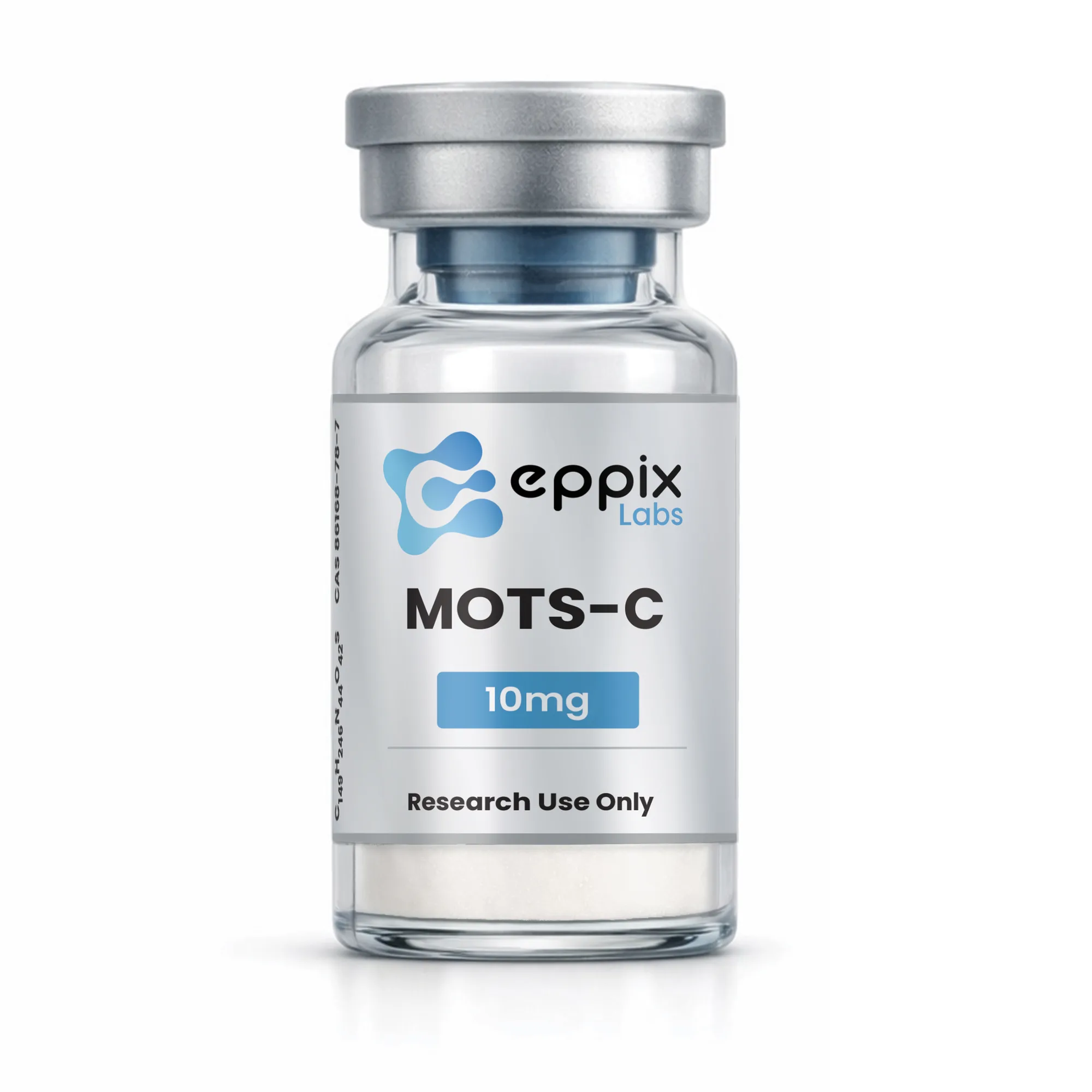
Mitochondrial-Derived Peptide MOTS-c (Mitochondrial Open Reading Frame of the 12S rRNA-c) is a mitochondrial-derived peptide identified through genomic analysis of mitochondrial DNA. It is synthesized for controlled laboratory research and studied within experimental environments focused on cellular and metabolic signaling.
From$39.99
Mitochondria-Targeted Peptide Research Compound SS-31 is a synthetic tetrapeptide designed for controlled laboratory research involving mitochondrial-associated signaling systems. It is also known in scientific literature as elamipretide.
From$149.99
Nicotinamide N-Methyltransferase (NNMT) Inhibitor Research Compound 5-Amino-1MQ is a small-molecule research compound studied as an inhibitor of nicotinamide N-methyltransferase (NNMT), an enzyme involved in cellular metabolic regulation. It is developed for controlled laboratory investigation within experimental environments.
From$49.99
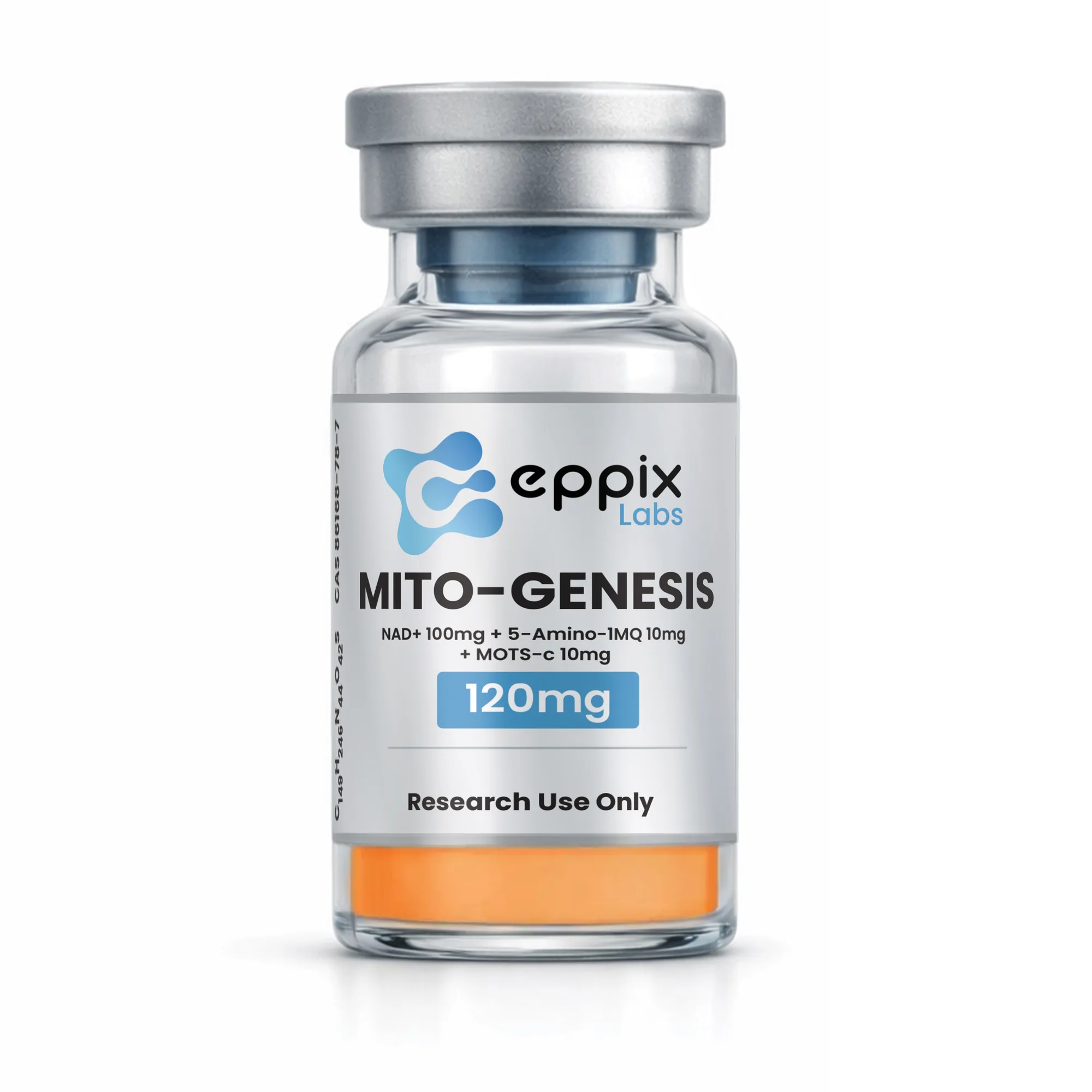
Mitochondrial Blend Mito-Genesis is a research blend supplying NAD+, 5-Amino-1MQ, and MOTS-c in a single vial.
From$99.99
Mitochondrial-Derived Peptide Humanin is a 24-residue peptide encoded within the mitochondrial genome, studied in research on cytoprotection and apoptosis-related signaling.
From$119.99
GHRH Analogue Research Peptide Tesamorelin is a synthetic peptide analogue of growth hormone–releasing hormone (GHRH). It is developed for controlled laboratory research involving hypothalamic-pituitary signaling systems.
From$59.99
Tesamorelin / Ipamorelin GH-Axis Blend The Tesamorelin + Ipamorelin blend combines a GHRH analogue (Tesamorelin) with a selective ghrelin-receptor agonist (Ipamorelin), studied for complementary stimulation of the GH/IGF-1 axis.
From$79.99
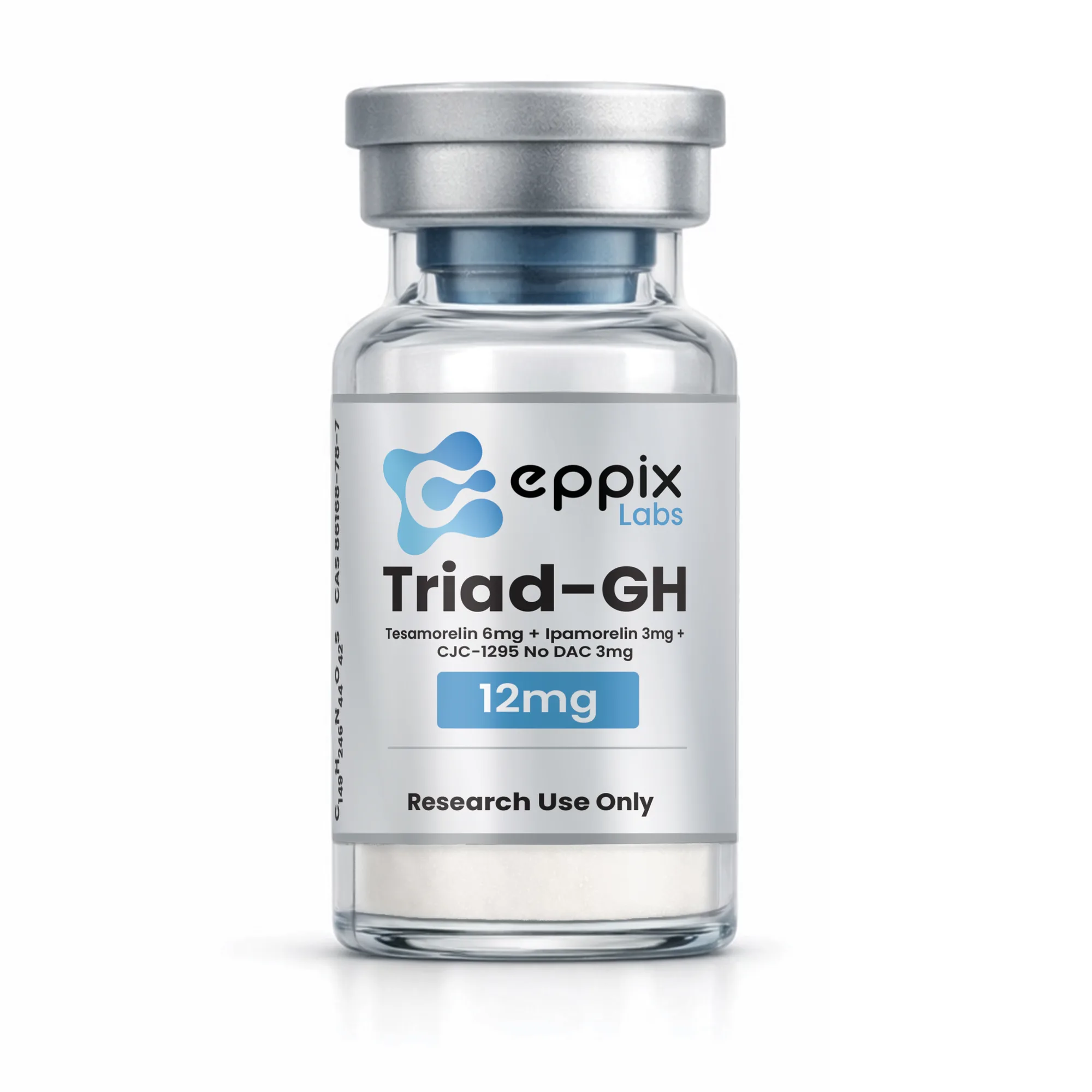
Growth Hormone Secretagogue Blend Triad-GH is a research blend supplying tesamorelin, ipamorelin, and CJC-1295 (No DAC) in a single vial.
From$129.99
Dual GHRH / GHS-R Research Blend CJC-1295 + Ipamorelin is a dual-peptide research formulation combining a growth hormone–releasing hormone (GHRH) analogue with a selective ghrelin receptor (GHS-R1a) agonist. It is developed for controlled laboratory investigation involving hypothalamic-pituitary signaling systems.
From$59.99
GHRH Analogue Research Peptide CJC-1295 (No DAC) is a synthetic peptide analogue of growth hormone–releasing hormone (GHRH) developed for controlled laboratory research. The “No DAC” designation indicates the absence of a drug affinity complex, resulting in a shorter receptor interaction profile within experimental systems.
From$40.00
Ghrelin Receptor Research Peptide Ipamorelin is a synthetic peptide developed for controlled laboratory research involving ghrelin receptor signaling systems. It is structurally designed to interact with growth hormone secretagogue receptor (GHS-R1a) pathways within experimental environments.
From$49.99
Long-Acting IGF-1 Analogue IGF-1 LR3 is a synthetic analogue of insulin-like growth factor 1 (IGF-1) modified with an extended amino acid sequence to alter receptor interaction characteristics. It is developed for controlled laboratory research involving IGF-1 receptor signaling systems.
From$54.99
Growth Hormone Fragment AOD-9604 is a synthetic peptide corresponding to the C-terminal fragment (176–191) of human growth hormone, studied in research for lipolytic-pathway activity.
Heavy metals · Endotoxin tested
From$54.99
p53-Penetratin Chimeric Peptide PNC-27 is a 32-residue chimeric peptide joining a p53-derived segment to the penetratin cell-penetrating domain, studied in oncology research for selective membrane interaction.
From$189.00
Senolytic Research Peptide FOXO4-DRI is a 46-residue D-retro-inverso peptide studied in research as a senolytic agent that targets the interaction between FOXO4 and p53.
From$149.99
Synthetic Heptapeptide Research Compound Selank is a synthetic heptapeptide derived from the endogenous tetrapeptide tuftsin with structural modifications for enhanced stability in experimental systems. It is developed for controlled laboratory research involving neuropeptide signaling pathways.
From$39.99
Tuftsin-Analogue Anxiolytic Peptide N-Acetyl Selank is an N-acetylated form of Selank, a synthetic heptapeptide analogue of the immunomodulatory peptide tuftsin, studied in research for anxiolytic and neuromodulatory signaling.
From$49.99
ACTH-Derived Research Peptide Semax is a synthetic heptapeptide derived from a fragment of adrenocorticotropic hormone (ACTH 4–10) with structural modification to enhance stability in experimental systems. It is developed for controlled laboratory research involving neuropeptide signaling pathways.
From$25.99
ACTH(4-10)-Analogue Nootropic Peptide N-Acetyl Semax is an N-acetylated form of Semax, a synthetic analogue of an ACTH(4-10) fragment, studied in research for nootropic and neuroprotective signaling.
From$49.99
Nootropic Peptide Adamax is a synthetic peptide supplied for laboratory research, described by its originators as an adamantane-modified analogue of the ACTH(4-10) fragment peptide Semax.
From$174.99
Melanocortin Receptor Research Peptide PT-141, also known as bremelanotide in scientific literature, is a synthetic peptide analogue derived from melanocortin receptor research. It is developed for controlled laboratory investigation involving melanocortin receptor signaling systems.
From$34.99
KISS1 Receptor Research Peptide Kisspeptin-10 is a synthetic decapeptide derived from the larger KISS1 peptide sequence. It is developed for controlled laboratory research involving KISS1 receptor (GPR54) signaling systems.
From$39.99
Melanocortin Receptor Research Peptide Melanotan II is a synthetic cyclic peptide analogue derived from alpha-melanocyte–stimulating hormone (α-MSH). It is developed for controlled laboratory research involving melanocortin receptor signaling systems.
From$34.99
Melanocortin Receptor Agonist Melanotan-1 (afamelanotide) is a synthetic analogue of α-melanocyte-stimulating hormone, studied in research for melanocortin-receptor signaling.
From$49.99
Thymic Peptide Research Compound Thymosin Alpha-1 is a synthetic peptide analogue of a naturally occurring thymic hormone involved in immune signaling research. It is developed for controlled laboratory investigation within experimental environments.
From$54.99
Goralatide (Ac-SDKP) is the N-terminal tetrapeptide of thymosin β4, studied in laboratory models for its interaction with fibrotic and haematopoietic signaling pathways. Investigations focus on its release from the parent Tβ4 protein by prolyl oligopeptidase, its degradation by angiotensin-converting enzyme, and its effects on collagen deposition and progenitor cell cycling in controlled experimental settings.
$64.99
TREK-1 Channel Blocker PE 22-28 is a seven-residue peptide derived from spadin, itself a fragment of the sortilin (NTSR3) propeptide, studied in research as a blocker of the TREK-1 potassium channel.
From$89.99
Delta Sleep–Inducing Peptide DSIP, also known as Delta Sleep–Inducing Peptide, is a synthetic neuropeptide developed for controlled laboratory research. It was originally identified during investigations into sleep-phase regulation and neuroendocrine signaling systems.
From$40.00
Non-Erythropoietic EPO Analogue ARA-290 (cibinetide) is a synthetic 11–amino acid peptide engineered from the structure of erythropoietin, studied in research for tissue-protective signaling without erythropoietic activity.
From$64.99
Cathelicidin Antimicrobial Peptide LL-37 is the active fragment of the human cathelicidin antimicrobial peptide, studied in research for antimicrobial and immunomodulatory activity.
From$39.99
GHRH(1-29) Analogue Sermorelin is a synthetic peptide corresponding to the first 29 amino acids of growth-hormone-releasing hormone, studied in research on the GH/IGF-1 axis.
From$39.99
Vasoactive Intestinal Peptide VIP is a 28–amino acid neuropeptide studied in research for vasodilatory, neuroendocrine, and immunomodulatory signaling.
From$64.99
What to check before buying peptides compounds
Purity is half the number. A purity figure tells you what fraction of the powder in the vial is the compound on the label — it tells you nothing about how much powder is in the vial. A lot can assay at 99.8% purity and still be short against its labelled content.
Both numbers are published for every batch here: purity from HPLC, and measured mass against expected content. Match the batch code printed on the vial to the certificate before you rely on either.